
In the presentation given by Igor Kosenko, PhD (geol.-mineral.), a senior researcher at IPGG SB RAS, during the Darwin Week, a popular science marathon at Novosibirsk State University, he discussed the ongoing collaboration between IPGG’s scientists and Chinese paleontologists.
In the Cretaceous period, geological history of the borderlands of China and Transbaikalia was largely similar, and therefore both their flora and fauna show pervasive affinity. This particularly refers to the Jehol biota first discovered in northeastern China, where the remains of feathered dinosaurs, birds, mammals, the first flowering plants, and other fossil species of excellent preservation have been found, to become the subject of separate and collaborative research for scientists from both countries in recent decade.
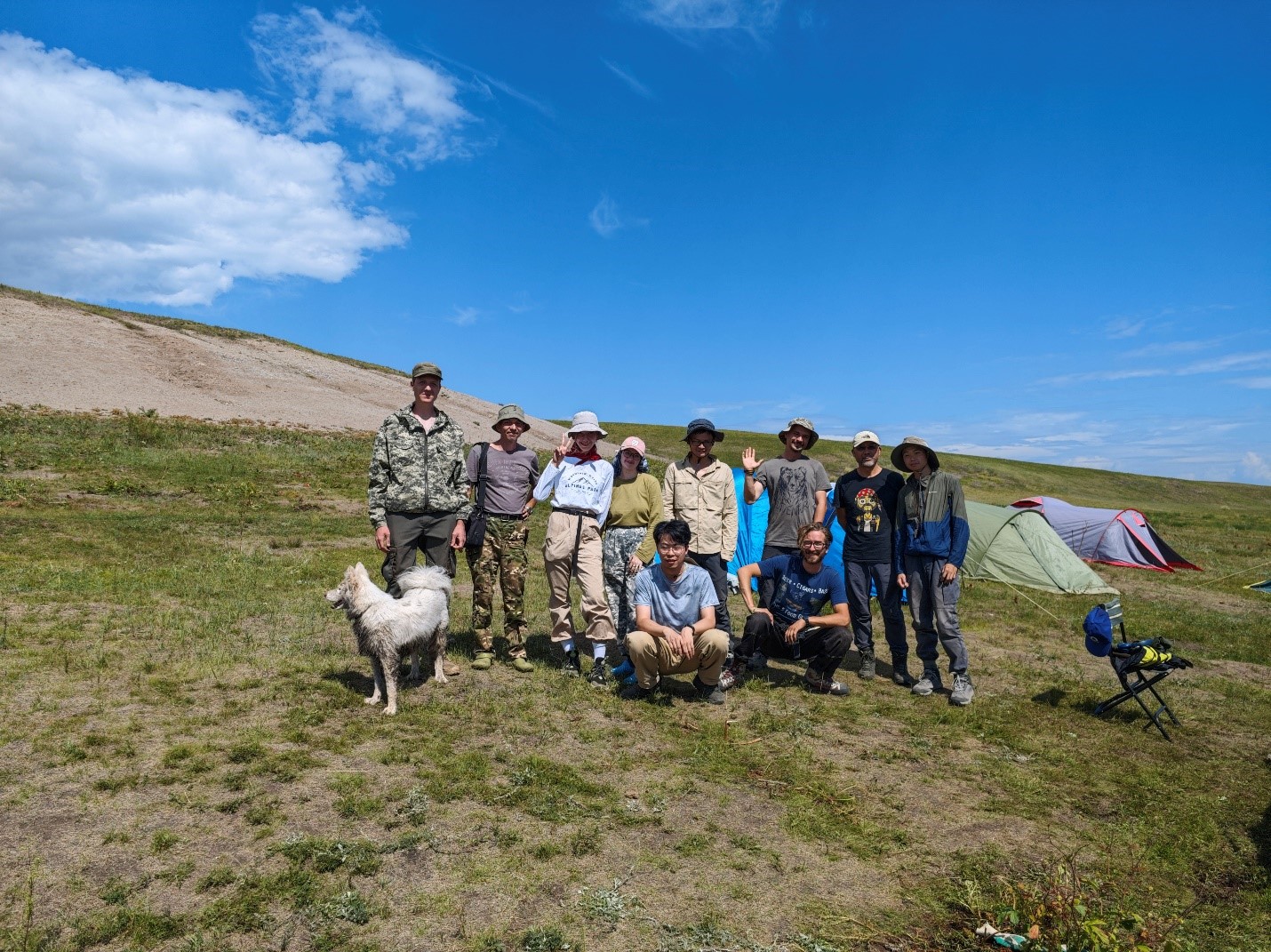
Researchers from Russia and China during the fieldwork in Transbaikalia
For several years, researchers from the Mesozoic and Cenozoic Paleontology and Stratigraphy Laboratory at IPGG SB RAS have been studying the continental Mesozoic of Transbaikalia and participating in fieldworks at the Turga fossil site (also known as the Middendorf outcrop) which produced numerous interesting finds, including remains of the same fish, conchostracan, and insect species as the Jehol biota. Their preservation is actually as good as that of fossil species discovered in northeastern China.
Research results have shown the prehistoric flora and fauna localities in Transbaikalia and China to be of the same age (about 124 million years).
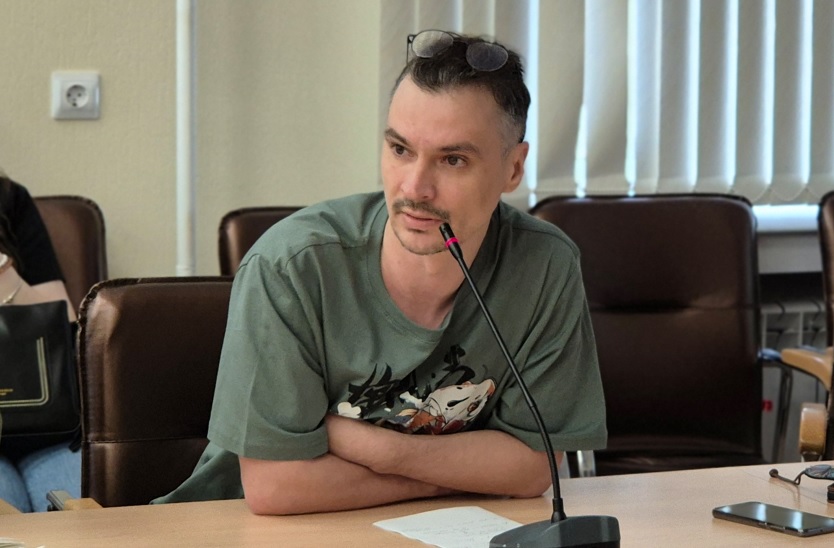
I.N.Kosenko
– "The region comprising Transbaikalia together with northeast China is recognized to be the place of origin of the Jehol biota. It is therefore quite possible to refer to it as a treasure trove of feathered dinosaur finds," noted I.N. Kosenko. "To this end, we go on to study the Mesozoic continental sections of Transbaikalia, with an aim to make new discoveries, reconstruct the habitats of fossil animals, and compare them with classical fossil sites. Our recent findings allow us to recognize the diversity of fossil fishes in some fossil localities of Transbaikalia to be far greater than the one observed in classical paleontological sites of China."
Tracks of dinosaurs were discovered earlier, during a joint expedition of Russian and Chinese scientists in Transbaikalia. Igor Kosenko says, this allows suggesting that scientists can expect more revealing future discoveries gaining insight into the Earth’s distant past.
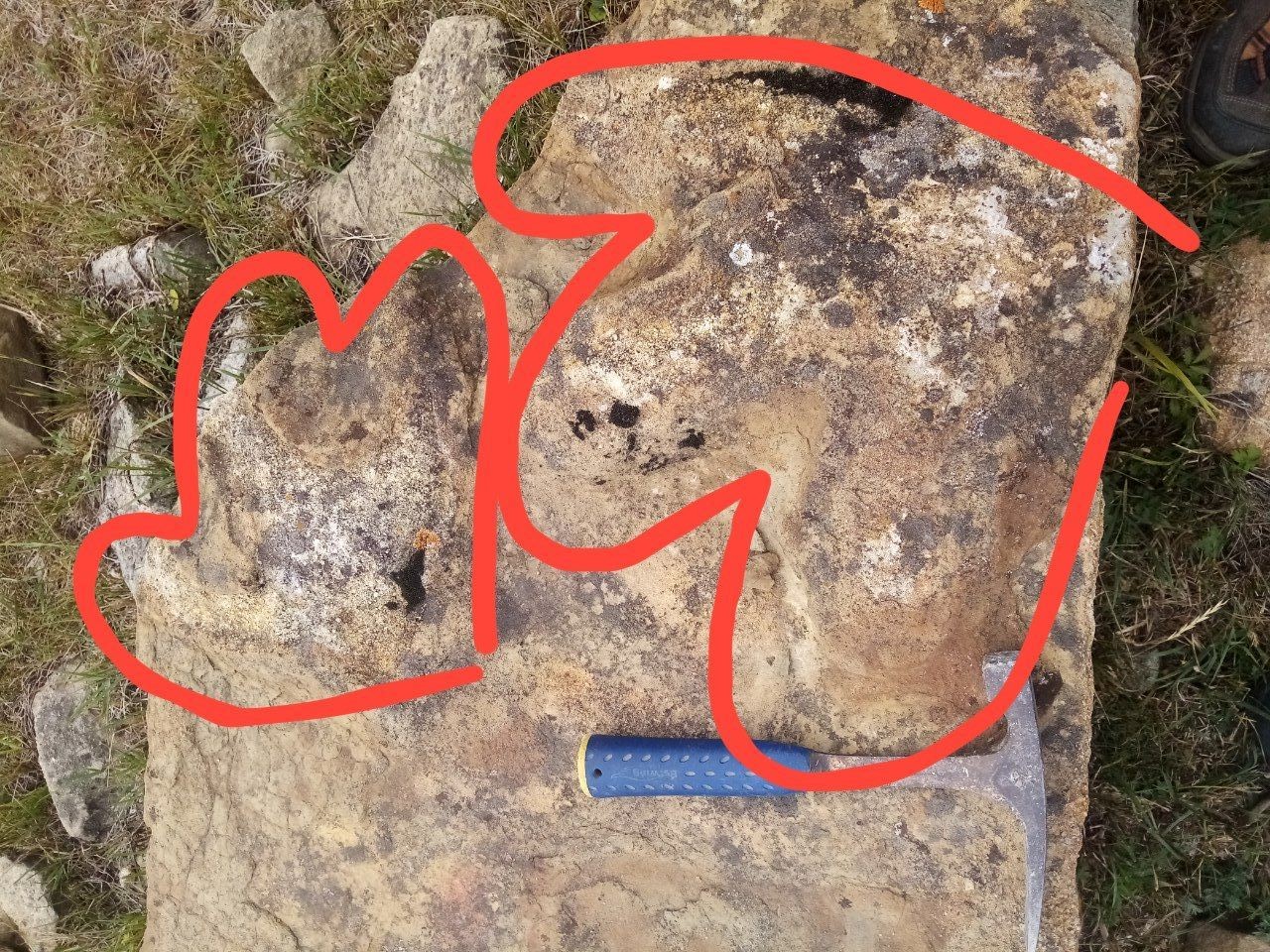
Dinosaur footprints in Transbaikalia
Published by IPGG SB RAS Press Service
Some materials were provided courtesy of the press service of Novosibirsk State University ( https://www.nsu.ru/n/media/news/nauka/zateryannyy-mir-bioty-dzhekhol-o-pernatykh-dinozavrakh-zubastykh-ptitsakh-i-chetyrekhkrylykh-mikrora/#_xco8tg89c)
Photos from the IPGG SB RAS archive