
Researchers from the Trofimuk Institute of Petroleum Geology and Geophysics SB RAS are studying fossil insects from fossilization sites in the central and eastern Transbaikalia. (the Zhidka, Daya, Turga, Belaya Gora, and Ust-Karsk sites) The ages of the fossil-bearing strata are in the range from 120 to 160 million years (MA).
As researchers from the Laboratory of Mesozoic and Cenozoic Paleontology and Stratigraphy at IPGG SB RAS noted, the discoveries made from these sections
are of seminal importance.
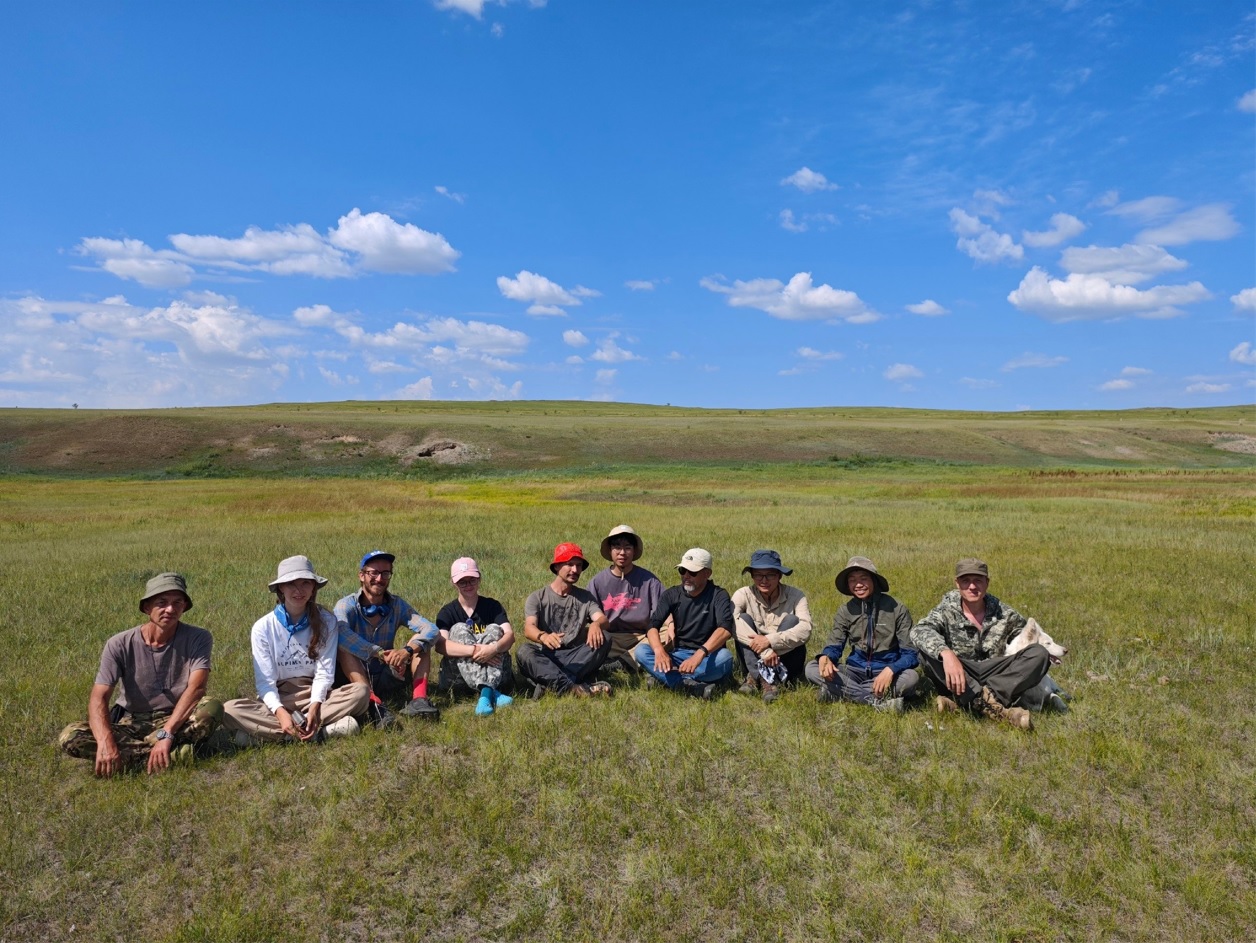
Against the background of the Turga fossil site
Transbaikalia, whose terrestrial Upper Mesozoic deposits host a variety of fossil mollusks, crustaceans, fish, and other animals and their remains, has long been the focus of interest of Russian paleontologists. Among the finds, insects represented by mayflies—small winged insects—are of particular interest to specialists.
– The study of the paleogeographic and stratigraphic distribution of the investigated fossil insects and related faunal groups can be extremely useful for revision of the age of fossil sites in Transbaikalia, notes Arina Kungurova, a specialist at IPGG SB RAS.
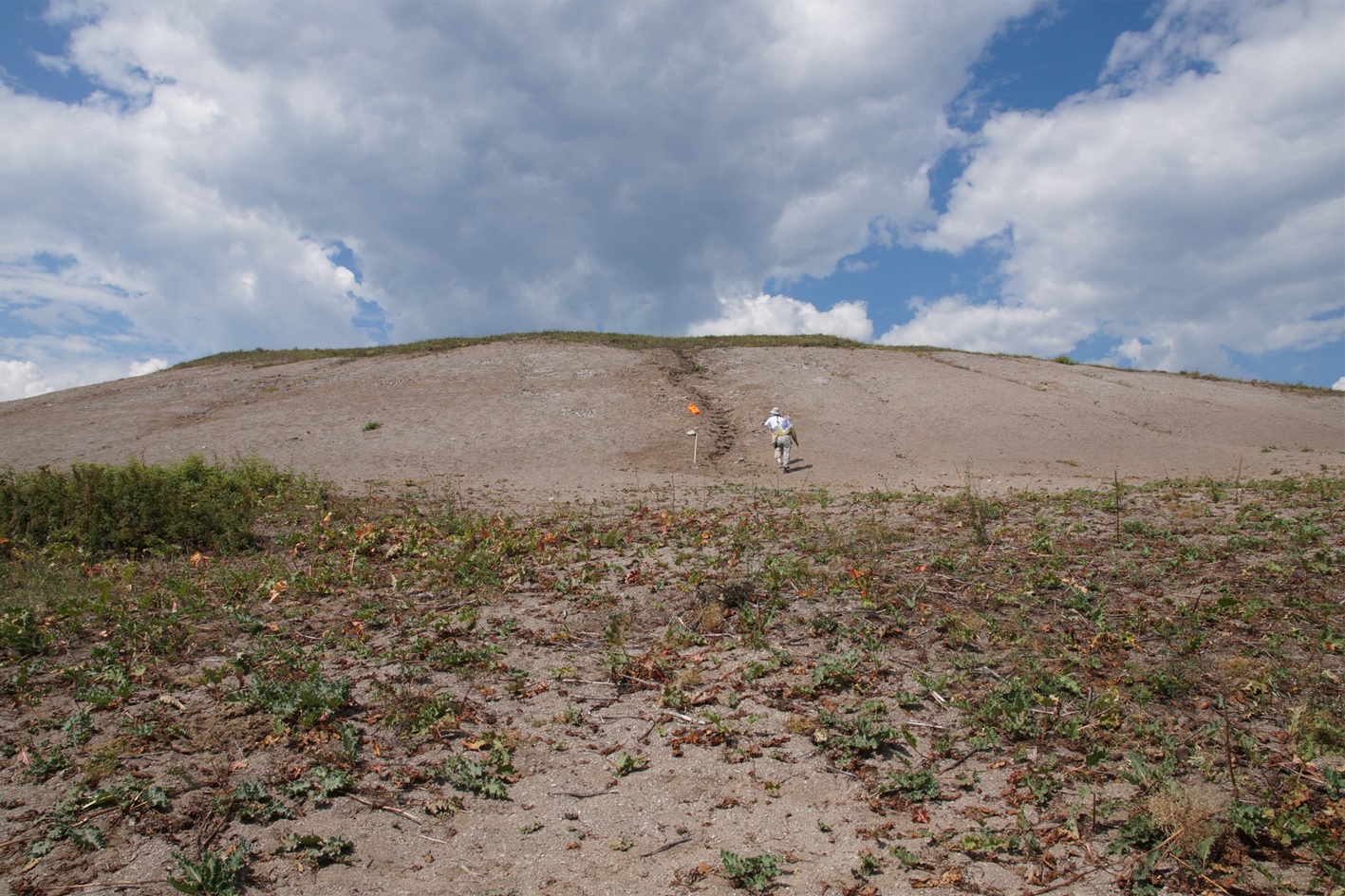
Belaya Gora fossil site
Discoveries of fossil mayflies have already been known as larvae and nymphal specimens of the Proameletus caudatus (Sinitshenkova) reported from Siberia (site sections in Transbaikalia). The fossil records also included dipterans, stoneflies, and caddisflies.
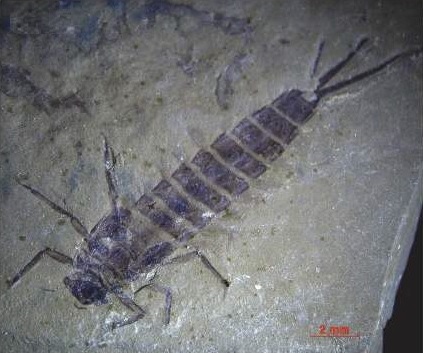
P. caudatus Sinitshenkova (nymphal specimen)
Among the most intriguing finds are larvae of the mayfly Ephemeropsis trisetalis Eichwald. This species has important stratigraphic significance, since it forms the “core” of the Jehol Biota, which includes not only insects but also representatives of almost all major groups of terrestrial and freshwater vertebrates, a wide variety of invertebrates, and a diverse flora, fossils of which are all well preserved.
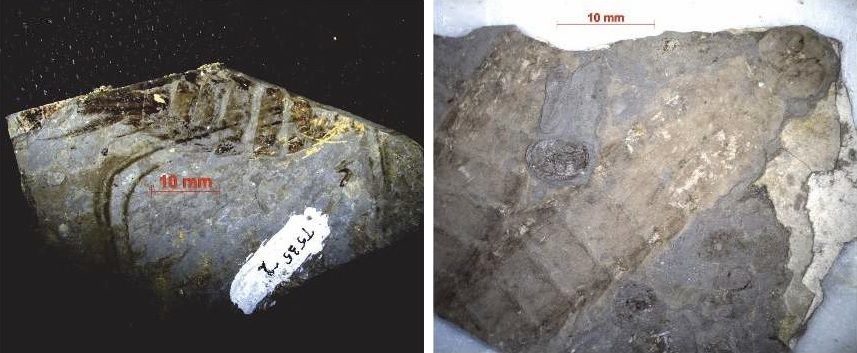
E. trisetalis Eichwald
The Jehol Biota is dated from the latest Jurassic to the earliest Cretaceous in northeastern China and adjacent regions. The presence of its representatives in Transbaikalia suggests the possibility of new insightful paleontological discoveries.
Researchers that are currently concerned with revising the dates of the studied sections of fossil sites prepare for a new field season, planning to return to Transbaikalia in 2026.
Published by IPGG Press Service
Photos courtesy of A. Kungurova
For your reference
The work was conducted within the frames of the Russian Science Foundation project FWZZ-2022-0004 and funded by the RSF grant № 25-77-10059.